The 3 Biggest Disasters In Case Battle CS2 The Case Battle CS2's 3 Biggest Disasters In History
The Ultimate Guide to Case Battle CS2: Rules, Strategies, and Everything You Need to Know
Counter-Strike 2 (CS2) has actually inherited the massive, growing economy of its predecessor, Global Offensive. Weapon skins stay a cornerstone of the gamer experience, sustaining a multi-million-dollar marketplace of trading, betting, and unboxing. Amongst the various techniques players utilize to obtain these sought after digital cosmetics, Case Battles have emerged as among the most popular and thrilling formats.
For those looking to shift from standard case openings to a more interactive experience, understanding how case battles work is important. This detailed Helpful site guide explores the mechanics, techniques, and subtleties of CS2 case battles.
What is a CS2 Case Battle?
A CS2 case fight is a multiplayer, player-versus-player (PvP) variation of conventional case unboxing. Hosted on third-party gambling and skin-trading sites, these battles allow multiple users to open the precise very same set of cases concurrently.
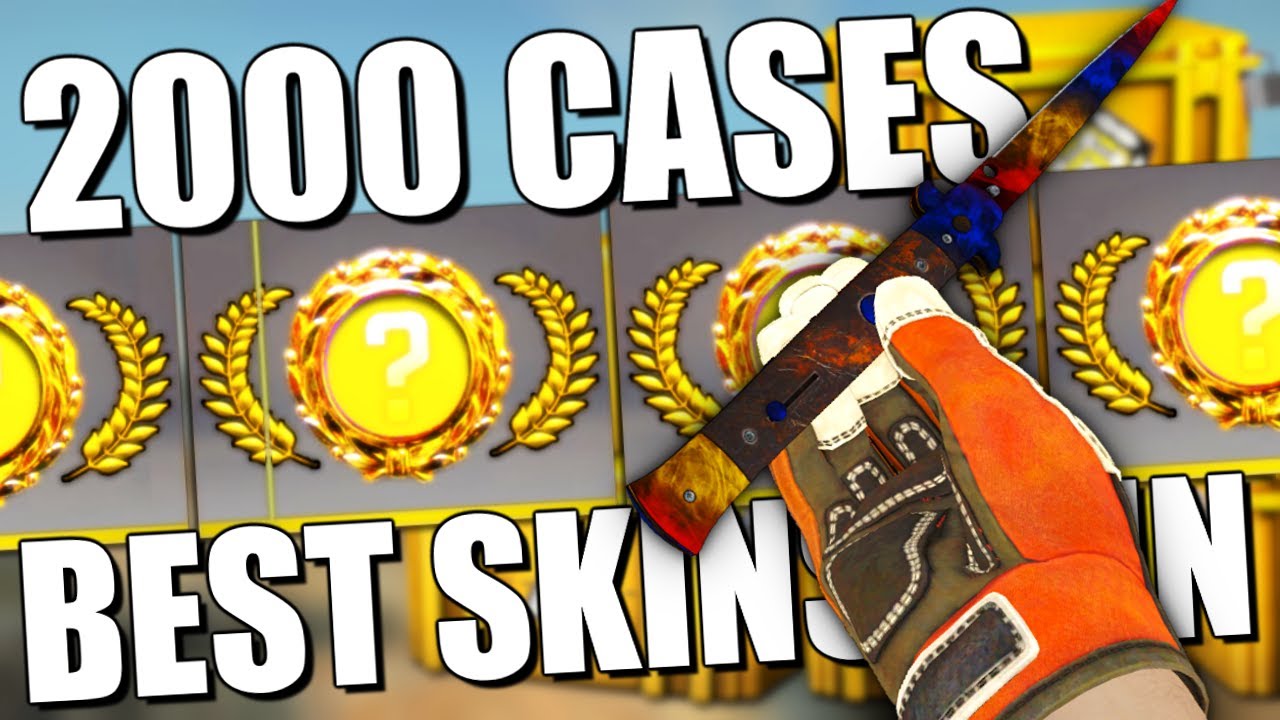
Unlike solo unboxing-- where players just hope for a rare drop-- a case battle introduces a competitive element. At the end of the opening series, the total worth of all products dropped from the cases is tallied for each participant. The player (or group) with the greatest overall item value wins the entire contents of the fight, consisting of the drops of their opponents.
Key Concepts to Know:
- The Pot: The combined value of all skins opened by all individuals throughout the battle.
- Profit/Loss: The winner takes all the skins, implying they can stroll away with a huge revenue or at least break even. The losers lose their entry charge entirely.
- Modes: Battles can range from 1v1 battles to free-for-all matches with as much as 4 players, or even 2v2 group battles.
How Does a Case Battle Work?
Taking part in a case fight is straightforward, however browsing the various guidelines and modifiers is where the strategy enters play.
Step-by-Step Breakdown:
- Choosing a Platform: Players select a reliable third-party CS2 case-opening website that supports case battles and log in utilizing their Steam accounts.
- Producing or Joining a Lobby: A player can either develop a custom-made fight-- selecting the cases, the number of players, and unique rules-- or join an existing public lobby.
- Buying In: Players pay the entry fee, which is equal to the combined expense of the cases picked for the fight.
- The Opening Animation: Once all players sign up with, an automated animation plays. Cases open round by round, showing the skins won by each individual.
- The Payout: At the final round, the website determines the overall Steam Market or site-value of all products. The system automatically transfers the winning items to the victor's website inventory.
Popular Case Battle Game Modes and Modifiers
To keep the format fresh, case battle platforms provide several variations and unique guidelines that dramatically change the gameplay experience.
Mode/ Modifier Description Strategic Impact Requirement (1v1, 1v1v1, etc) A straightforward fight where the greatest overall skin value wins. Relies purely on RNG (Random Number Generator) and case selection. Terminal (Sudden Death) The gamer who pulls the lowest-value item in each round is eliminated. Gets rid of dependence on an enormous final drop; consistency matters. Group/ Team Battles 2v2 or 3v3 modes where group overalls are integrated against opposing teams. Decreases individual difference; helpful for having fun with friends. Crazy Mode (Reverse) The player with the lowest overall value at the end wins the pot. Flips conventional strategy on its head; benefits inexpensive drops. Giveaway Mode The winner is figured out by specific requirements, or the losing gamer actually gets the reward. Extremely speculative; utilized mainly for material production or enjoyable.Tips and Strategies for Case Battles
While case battles are basically video games of possibility dictated by chances, players can employ certain methods to manage their bankroll and optimize their entertainment worth.
1. Bankroll Management
The golden rule of any skin-related activity is never ever to gamble more than you can afford to lose.
- Set a rigorous budget plan for your session.
- Prevent "going after losses" by entering significantly expensive battles to recover what you lost.
- Deal with the expense of the cases as the rate of entertainment rather than an investment.
2. Diversify Your Case Selection
When producing a customized fight, believe thoroughly about the cases you include:
- High-Risk, High-Reward: Mixing extremely expensive cases (like Operation cases) increases volatility. You might strike a knife, or you might get nothing.
- Low-Risk, Steady Value: Selecting less expensive cases with a high volume of rounds smooths out the variation, providing you a more constant circulation of outcomes.
3. Research study the Odds
Every CS2 case has fixed chances for product tiers (Mil-Spec, Restricted, Classified, Covert, and Special/Knives). Familiarize yourself with the contents of the cases you are coping. Going into a battle blindly without understanding the prospective maximum payout of a case puts you at a statistical downside.
Advantages and disadvantages of CS2 Case Battles
Before diving into case battles, it is necessary to weigh the advantages and drawbacks compared to traditional trading or solo unboxing.
Pros:
- Social Experience: Battles are typically streamed on platforms like Twitch and Kick, making it a highly common and amusing activity.
- Greater Engagement: Watching live challengers open cases alongside you is far more amazing than opening cases alone in the game customer.
- Possible for Profit: Winning a battle doubles (or triples) your financial investment immediately if you beat your challengers.
Cons:
- High Volatility: Because you can lose your entire buy-in immediately, your home edge and basic likelihood indicate most players will lose money over the long term.
- Third-Party Risks: Case battles need utilizing third-party websites, which run outside of Valve's main community and carry intrinsic security and scam threats.
- Addicting Nature: The fast-paced, high-stakes nature of battles can easily cause issue gambling behaviors.
Safety and Security Tips
If you choose to take part in CS2 case battles, protecting your Steam account and digital possessions should be your leading priority.
- Be Careful of Phishing Links: Only use popular, relied on case-battle platforms recommended by trustworthy neighborhood members. Fraudsters typically create fake clone websites.
- Safeguard Your API Key: Never log into random websites or provide third-party apps access to your Steam API key, as this can lead to stock theft.
- Enable Steam Guard: Ensure your Steam Guard Mobile Authenticator is active to protect trades and account logins.
- Money Out Regularly: If you struck a big win (like a rare knife or gloves), withdraw the products to your Steam inventory or sell them securely rather than right away gambling them away in the next battle.
CS2 Case Battles have changed skin unboxing from a solitary gamble into a high-octane, multiplayer spectator sport. By integrating the rush of opening cases with direct gamer competition, they offer an unique way to connect with the CS2 economy. However, they remain a kind of gambling rooted in stringent mathematical possibilities. Approach them with caution, practice strict bankroll management, and keep in mind that your home always holds the long-term advantage. Play wise, stay safe, and take pleasure in the thrill of the battle!